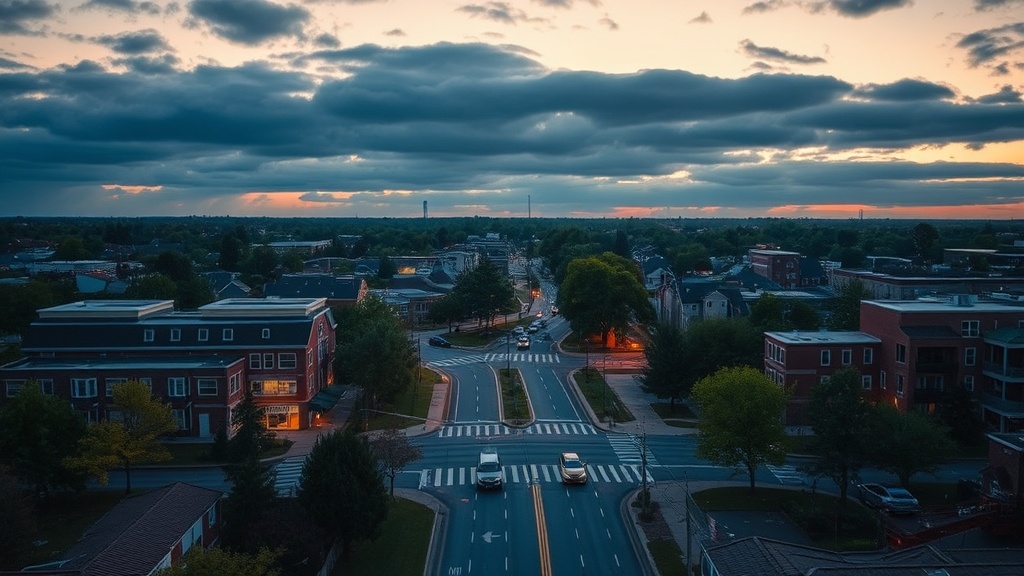
Navigating New Developments and Zoning Changes in Stouffville

Did you know that the municipal boundaries of Stouffville have undergone significant shifts over the last few decades to accommodate the rapid growth of York Region? This isn't just about new houses appearing on the horizon; it's about how our local infrastructure—from sewage to transit—keeps up with the pace of change. This post looks at the current state of land use, the impact of new residential builds on our streets, and how we can stay informed about what's happening right in our own backyards.
The pace of development in Stouffville has certainly picked up recently. If you walk around the edges of the community, you'll see construction crews working hard on new subdivisions that aim to bring more families into our area. While this brings new neighbors and more life to our streets, it also raises questions about how our local roads, like Main Street North or even the residential lanes near Baldwin Street, will handle the increased traffic. We've all noticed the construction vehicles and the occasional detour—it's a part of living in a growing town.
Where can I find local development notices in Stouffville?
One of the most common questions we hear from neighbors is how to find out what is being built before the bulldozers arrive. The Town of Stouffville maintains a public record of planning applications and zoning by-law amendments. If you're living near the growing areas near the GO Station or the newer developments near the 404, you should keep a close eye on the official municipal website. Keeping track of these notices helps us stay proactive about the changes occurring in our neighborhoods. You can find much of this information directly through the Town of Stouffville official website, which lists upcoming meetings and public notice periods.
Understanding the distinction between a zoning amendment and a minor variance is helpful for any resident. A zoning amendment might change the very nature of a lot—perhaps turning a single-family plot into a multi-unit residential space—while a minor variance is a smaller adjustment to existing rules. These decisions happen in council chambers, and as residents, we have a right to voice our thoughts on how these changes affect the character of Stouffville. We've seen many local debates regarding density and how it interacts with our existing green spaces and historical landmarks.
How does new construction affect our local infrastructure?
Growth isn't just about adding houses; it's about the invisible systems that keep our community running. As more people move into the newer parts of Stouffville, the demand for water, sewage, and electricity increases. This puts a certain level of pressure on our local utility systems. For instance, the development near the Mont l'Amour area requires much more than just a new road; it requires a robust plan for drainage and long-term maintenance. We need to ensure that our local government is prioritizing the infrastructure that supports this growth so that we don't face service interruptions down the road.
Traffic is another major concern for many of us. As new subdivisions are completed, the volume of cars on our secondary roads increases. This can lead to longer commutes or more difficult turns at busy intersections. It’s a delicate balance to maintain that small-town feel in Stouffville while also providing the modern amenities and connectivity that new residents expect. We must advocate for smart-growth policies that include well-planned transit options and pedestrian-friendly walkways to ensure our streets remain safe for everyone.
Why are residential density debates so common in Stouffville?
The debate over density is a recurring theme in our community discussions. Some residents are eager for the modern amenities and diverse housing options that density brings, while others worry about losing the quiet, suburban charm that makes Stouffville a great place to live. This tension often arises when developers propose townhomes or low-rise apartments in areas previously reserved for single-family homes. It's a conversation that happens at almost every council meeting and involves many of our local community associations.
| Development Type | Common Impact on Stouffville | Community Consideration |
|---|---|---|
| Single-Family Subdivisions | Increased residential footprint | School capacity and local traffic |
| Townhome Complexes | Higher density in smaller areas | Parking availability on local streets |
| Mixed-Use Developments | More vibrant local streetscapes | Integration with existing heritage buildings |
As we look toward the next decade, the landscape of Stouffville will undoubtedly continue to shift. Whether it's a new development near the community center or a change in zoning near the industrial sectors, staying informed is our best tool. We should all keep an eye on the York Region development updates to see how our town integrates with the broader regional growth plan. Being an informed neighbor means more than just knowing your neighbors; it means knowing the future of the ground we stand on.
Our community thrives when we participate in the discussions that shape our surroundings. Whether you're concerned about a new development on a side street or interested in how our local parks are being expanded, your voice matters. The evolution of Stouffville is a shared experience, and by staying engaged with local planning and municipal decisions, we can help ensure that our town grows in a way that benefits everyone who calls it home.