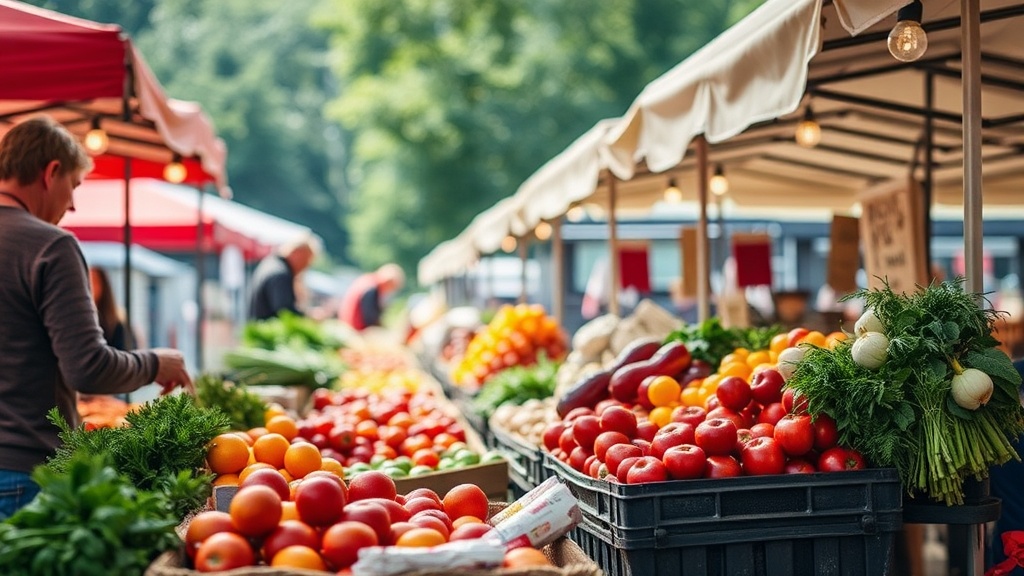
Finding the Best Seasonal Flavors at Local Stouffville Farmers Markets

Most people think that shopping at a local farmers market is just a hobby for weekend enthusiasts or a way to buy overpriced organic kale. That's a mistake. If you want to actually eat well, the local market cycle is a strategic way to access high-density nutrition and flavors that grocery stores simply cannot replicate because their supply chains prioritize shelf-life over taste. This post breaks down how to time your visits to the Stouffville area markets to snag the best seasonal produce, how to identify quality, and how to budget for a premium haul.
What are the best seasonal items to look for in Ontario?
Your shopping list should change based on the specific month to ensure you're getting produce at its peak nutritional value. In Ontario, the window for certain crops is incredibly narrow, and if you miss it, you're stuck with imports for the rest of the year.
Spring in the Stouffville area is all about the greens. You'll see the first signs of life with ramps, asparagus, and tender leafy greens. This is a short window—don't wait too long or the heat will turn them bitter. Summer is the heavy hitter. This is when the berries arrive. Strawberries, raspberries, and blueberries are at their absolute best between late June and early August. If you're looking for tomatoes, wait for the heat of July; that's when the sugars really develop in the sun.
Autumn is the season of the harvest, and it's arguably the most rewarding time for local shoppers. You'll find heavy hitters like heirloom pumpkins, squash, and apples. Apples are a staple of the York Region agricultural scene. Varieties like Honeycrisp or Gala are much more flavorful when picked locally than the ones sitting in a cold storage warehouse for six months.
Winter is the hardest part. You'll rely more on root vegetables and storage crops. Think carrots, beets, parsnips, and potatoes. These aren't just "fillers"—they are nutrient-dense and can actually be quite delicious if you roast them properly. For more information on the nutritional profiles of different vegetables, you can check the Canadian Food Guide.
Seasonal Peak Cheat Sheet
| Season | Top Produce Picks | Flavor Profile |
|---|---|---|
| Spring | Asparagus, Radishes, Spring Onions | Crisp, peppery, fresh |
| Summer | Strawberries, Peaches, Heirloom Tomatoes | Sweet, juicy, acidic |
| Autumn | Apples, Squash, Pumpkins, Sweet Potatoes | Earthy, sweet, hearty |
| Winter | Root Vegetables (Carrots, Beets), Leeks | Dense, savory, robust |
How can you tell if produce is high quality?
High-quality produce should look slightly "imperfect" compared to the uniform, waxed vegetables found in big-box supermarkets. Real food has character. If every tomato looks exactly like a plastic model, it probably was grown to survive a 2,000-kilometer truck ride rather than to taste good.
When picking fruit, look for weight. A heavy strawberry or peach usually indicates higher water content and juice. If it feels light or hollow, it's likely dehydrated or underripe. For vegetables like leafy greens, check the stems. A snap test is your best friend here. If the stem of a bunch of kale or a stalk of asparagus is limp, it's old. You want a firm, crisp snap every single time.
Color is a major indicator, but don't overthink it. A bruised peach isn't necessarily bad, but a soft spot that feels mushy is a dealbreaker. For root vegetables, the skin should be taut. If a carrot or a beet looks wrinkled, it's lost its moisture and will be much harder to cook. It's a simple way to ensure you aren't wasting money on something that will go bad in your fridge by Tuesday.
One thing to watch for is the "gloss." Many commercial growers use waxes to make produce look shiny. Local farmers usually don't. A matte finish on a bell pepper or a cucumber is actually a good sign—it means it's fresh and hasn't been coated in artificial preservatives. (I always check the weight of my melons; if they don't feel substantial, I leave them on the stand.)
How much does shopping at local markets cost?
Local market prices fluctuate based on the season and the specific crop availability, but you'll generally find that you're paying for quality rather than just a lower price tag. While a pound of organic strawberries might be more expensive than the generic ones at a discount grocer, the volume of food you actually consume is often higher because the quality is superior.
To manage your budget, follow these three rules:
- Buy what's abundant: When a certain fruit is in peak season, the price usually drops.
- Stick to the basics: Don't go looking for exotic out-of-season items; you'll pay a massive premium for them.
- Buy in bulk for storage: If you see a great deal on onions or potatoes, buy a larger bag. These items last a long time in a cool-dark place.
It's also worth noting that buying from local farmers supports the agricultural economy in Ontario directly. You aren't paying for the massive overhead of a global shipping company. You're paying for the seeds, the labor, and the local soil. This keeps the money in our community, which is a different kind of value than just a dollar amount on a receipt.
If you're interested in how local agriculture impacts your lifestyle and the general area, you might want to read the ultimate guide to living in Stouffville. It covers a lot of the local nuances that make this area unique.
Don't forget to bring reusable bags and a way to carry heavier items. Most vendors at the local markets don't provide bags, and you'll want to be prepared. If you're buying heavy items like squash or bags of potatoes, a sturdy canvas tote or even a small collapsible crate is a lifesaver. It prevents the "bottom-out" scenario where your bag breaks halfway to the car.
One final tip: arrive early if you want the absolute best selection. The most popular items—like the really good heirloom tomatoes or the freshest sourdough—often sell out by 11:00 AM. If you wait until the end of the market day, you might find better prices, but you'll definitely have less variety. It's a trade-off between price and selection. I usually prefer the selection, so I'm an early bird. If you're looking for more local adventures, check out Stouffville's best farms and family attractions to see what else is happening in our backyard.
Steps
- 1
Check the Seasonal Calendar
- 2
Arrive Early for Best Selection
- 3
Bring Reusable Bags and Cash
- 4
Talk to the Farmers